
The Power of Music in Early Childhood
Blooming Prep Parent Resources
Research shows that music activates multiple areas of the brain at the same time, helping children develop important skills for learning, communication, memory, and emotional well-being. From infancy through early childhood, music supports cognitive, social-emotional, language, and physical development.
How Music Supports Brain Development
Music experiences help strengthen neural connections associated with working memory, language processing, emotional regulation, executive functioning, flexible thinking, problem-solving, vocabulary development, and early mathematical thinking.
1. Sing Together Every Day
Children learn language through repetition, rhythm, and melody. Singing helps build listening skills, vocabulary, and memory.
2. Explore Different Types of Music
Expose your child to a variety of musical styles, cultures, and instruments to broaden their listening experiences.
3. Encourage Movement and Dance
Dancing and moving to music supports coordination, balance, body awareness, and self-expression.
4. Introduce Musical Instruments
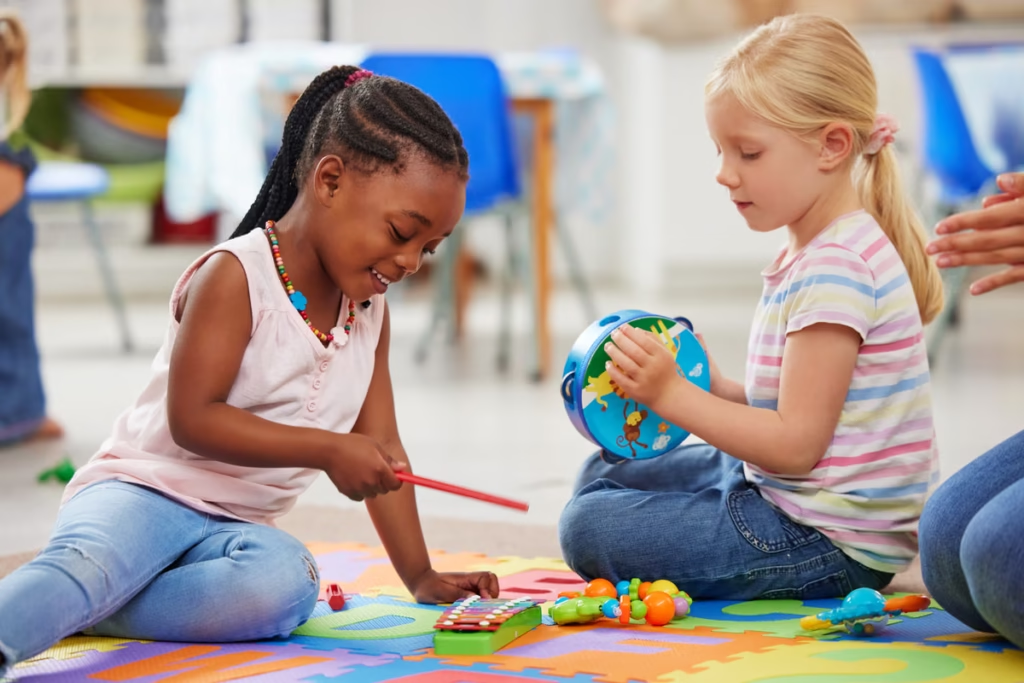
Simple instruments such as shakers, drums, bells, and xylophones help children explore rhythm and sound.
5. Make Music Part of Daily Life
Use songs during routines, transitions, cleanup time, and family activities to make learning fun and engaging.
Social-Emotional Benefits of Music
Music helps children express emotions, build confidence, develop self-regulation, strengthen social connections, and practice listening and cooperation with others.
How We Use Music at Blooming Prep
Children participate in music and movement experiences that encourage creativity, collaboration, language development, and joyful exploration. Through singing, rhythm activities, dance, and enrichment programs, children discover the many ways music enriches learning.