
Fostering Independence in Young Children
Blooming Prep Parent Resources
Independence is not about doing everything alone—it is about developing the skills, confidence, and resilience to navigate the world successfully.
Why Independence Matters
- Builds self-confidence
- Strengthens problem-solving skills
- Develops resilience and persistence
- Encourages responsibility
- Promotes decision-making abilities
- Creates a sense of ownership and pride
Ways Families Can Encourage Independence
1. Offer Choices
Provide simple choices such as selecting between two outfits, books, or snacks. This helps children build decision-making skills and confidence.
2. Allow Extra Time
Give children time to attempt tasks independently, even when it may take longer. Learning happens through practice.
3. Encourage Problem-Solving
Rather than immediately providing answers, ask questions that help children think through challenges and identify solutions.
4. Create Predictable Routines
Consistent routines help children understand expectations and build confidence in managing daily tasks.
5. Celebrate Effort
Praise persistence, determination, and effort rather than focusing solely on outcomes.
6. Give Meaningful Responsibilities
Invite children to help with age-appropriate household and classroom tasks.
7. Support Self-Care Skills
Encourage children to dress themselves, clean up after activities, wash hands, and care for personal belongings.
Age-Appropriate Examples of Independence
- Infants: Holding a bottle, self-feeding finger foods, choosing between books.
- Toddlers: Putting away toys, washing hands, carrying belongings, helping set the table.
- Preschoolers: Serving snacks, caring for classroom materials, solving simple conflicts, leading classroom jobs.
How We Foster Independence at Blooming Prep
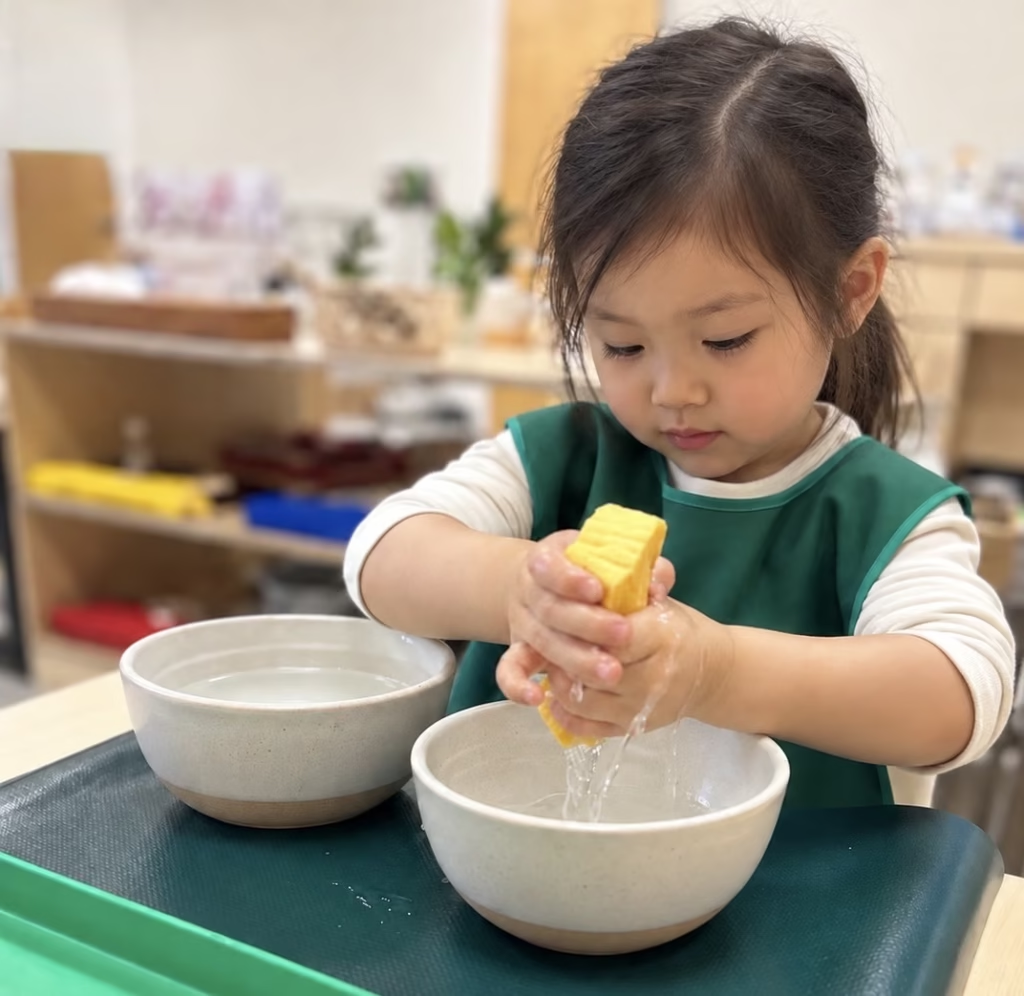
Children are encouraged to make choices throughout the day, care for classroom materials, participate in routines, solve problems with guidance, and reflect on their experiences. Teachers serve as supportive guides, helping children build confidence through meaningful hands-on learning experiences.