
Supporting Positive Friendships in Early Childhood
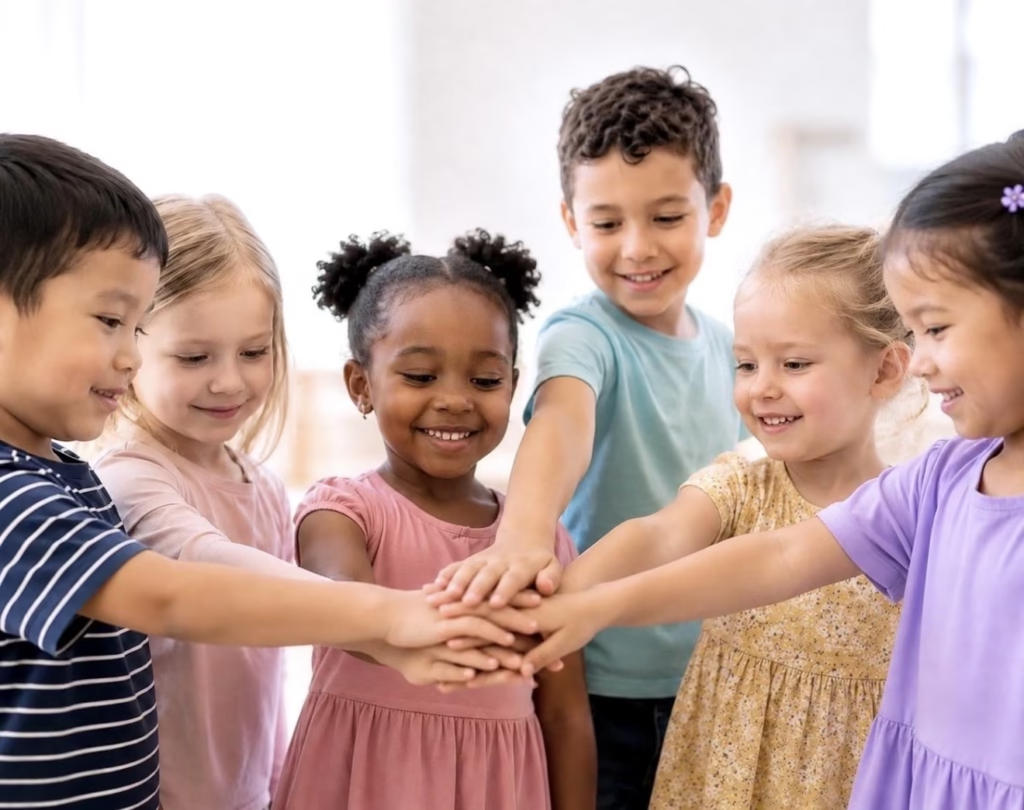
Blooming Prep Parent Resource Series
Friendship skills do not develop overnight. Young children need guidance, practice, and opportunities to learn how to connect with peers, solve problems, and navigate social situations with confidence.
1. Model Positive Relationships
Children learn by observing the adults around them. Demonstrate kindness, active listening, cooperation, and respectful communication in everyday interactions.
2. Practice Social Skills Through Play
Role-play greetings, sharing, turn-taking, and problem-solving situations using toys, puppets, or pretend play scenarios.
3. Encourage Empathy
Talk about feelings and help your child consider how others may feel in different situations. Encourage perspective-taking and kindness.
4. Celebrate Social Successes
Recognize positive interactions, whether it is sharing a toy, inviting a friend to play, or resolving a conflict peacefully.
5. Create Opportunities for Connection
Provide opportunities for your child to interact with peers through playdates, community activities, classes, parks, and family gatherings.
6. Teach Problem-Solving Skills
Help children learn respectful ways to express their needs, listen to others, and work through disagreements.
7. Encourage Inclusion and Kindness
Teach children to welcome others into play, take turns, and show kindness to everyone in their community.
Friendship Skills Children Develop
Through positive social experiences, children build important life skills including communication, cooperation, empathy, emotional regulation, confidence, sharing, listening, and conflict resolution.
How We Support Friendships at Blooming Prep
Our Reggio Emilia-inspired and Montessori-informed approach encourages collaboration, community, and meaningful relationships. Teachers guide children as they learn to work together, solve problems, respect differences, and build lasting friendships.