
Understanding Your Infant’s First Language: 3 Ways Babies Communicate
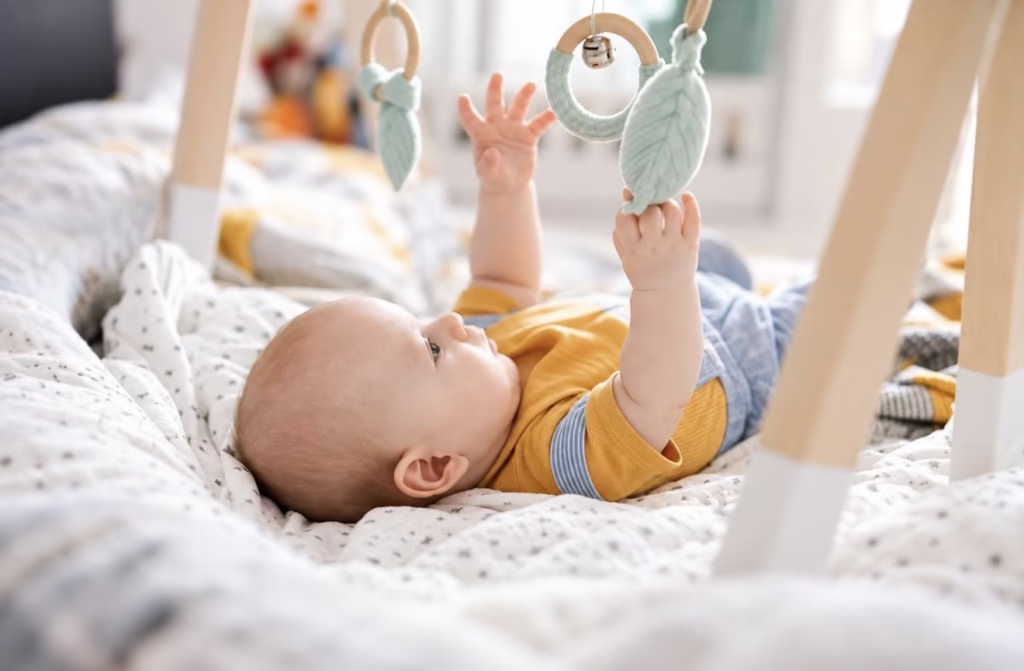
Infants communicate long before they are able to speak. Through facial expressions, body language, and early sounds, babies share their needs, emotions, and experiences. Learning to recognize these cues helps caregivers respond with confidence and build strong, trusting relationships.
1. Facial Expressions
Before babies can speak, they communicate through facial expressions. Smiles, frowns, widened eyes, and gaze aversion all provide clues about how they are feeling. When your baby smiles, respond with warmth and eye contact to strengthen connection and trust. If your baby looks away, it may be a sign that they need a break or are feeling overstimulated.
2. Body Language
Babies use their bodies to communicate needs and emotions. Arching the back, turning away, reaching out, or clenching fists may signal hunger, discomfort, fatigue, or overstimulation. Paying attention to these cues helps caregivers respond with sensitivity and better understand their child’s needs.
3. Early Sounds and Language
Cooing, babbling, laughter, and other early sounds are the building blocks of language development. Narrating daily activities, singing songs, reading books, and engaging in back-and-forth conversation encourages communication and supports early vocabulary growth.
Blooming Prep Parent Tip
Every cry, smile, gesture, and babble is a meaningful form of communication. By observing and responding consistently, caregivers help build trust, security, and the foundation for future language development.